
Reviewed · MURALS & PEACE WALL TOURS
The Troubles Tour -Two Stories, One Journey
Belfast’s walls still speak clearly. The Troubles Tour makes those voices personal through local guides who lived through the conflict, linking famous murals and memorials with stories of mothers, sisters, and daughters who carried families through dangerous years. I like the honest, human approach, and I like that the tour tries to explain both Republican and Loyalist viewpoints rather than reducing Belfast to a simple good side and bad side.
The £21, roughly $27, two-hour walk is excellent value for anyone who wants more than photographs of murals. The main consideration is emotional weight: stories of killings, fear, plastic bullets, imprisonment, and lasting division can be painful to hear. Also, the exact guide and format may vary. Barbara is praised repeatedly, while Paul and Rocky have also led departures, and some sessions may focus more heavily on one community’s experience.
In This Review
- Key points to know before you go
- Why this Belfast walk matters
- Meeting at the tall red and white building
- Starting with life inside the conflict
- Reading the Falls Road murals
- Crossing toward the Shankill perspective
- Why the women’s stories add something different
- Memorial gardens and the cost of memory
- How balanced is the storytelling?
- The guides make the difference
- Is two hours enough?
- What the $27 price gets you
- Who should book this tour?
- Practical advice for a better visit
- Should you book The Troubles Tour?
- FAQ
- Where does The Troubles Tour meet?
- How long does the tour last?
- How much does the tour cost?
- What language is the tour offered in?
- Who leads the tour?
- Does the tour include two women guides?
- What places does the tour visit?
- Is the tour wheelchair accessible?
- Can children join the tour?
Key points to know before you go
- Personal stories from West Belfast: Guides such as Barbara describe growing up in the area and explain how violence affected ordinary families.
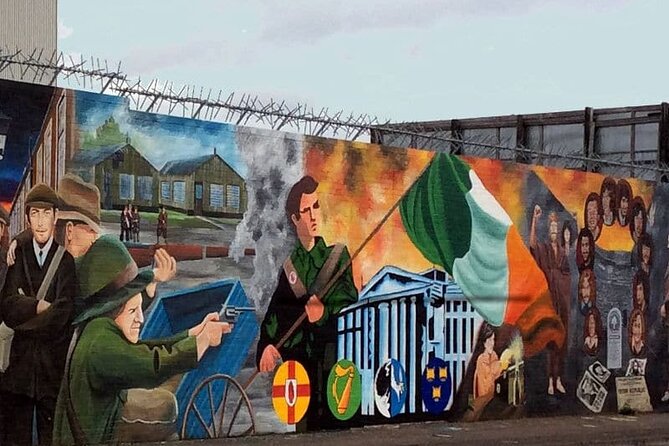
- Falls Road and Shankill Road context: Murals, memorial gardens, walls, and gates help you understand how geography and identity shaped daily life.
- A women’s view of the conflict: The tour gives special attention to mothers, daughters, sisters, and community leaders whose work was central to survival and peace.
- Two communities, one route toward peace: The aim is to connect Republican and Loyalist experiences without pretending the past is settled.
- Strong value at $27: You receive two hours with local guides, historical explanation, and access to places that mean far more once their stories are explained.
- Not designed for young children: The tour is not suitable for children under 12, and the subject matter calls for mature attention.
Why this Belfast walk matters
The Troubles were not an old conflict safely locked in a museum. For decades, bombings, shootings, murders, military checkpoints, prison sentences, street battles, and intimidation shaped ordinary life in Northern Ireland.
That broad political story can be hard to grasp from a textbook. This tour brings it down to family size. You hear how events affected homes, schools, parents, children, neighbors, and entire streets. That shift in scale is the tour’s greatest strength.
I especially value the focus on women. Men with political or military roles often dominate accounts of the Troubles, yet women kept households going, looked after injured relatives, queued for necessities, attended funerals, raised children amid fear, and pushed for safer communities. The tour gives those experiences room.
The guides do not simply recite dates. They explain what a particular street, mural, gate, or memorial means to the people who live nearby. That makes the walk more than a sightseeing stop. You are looking at public art, but you are also considering why it was painted, who is remembered, and who may read the same image in a very different way.
Other tours of the murals and peace walls:
- Belfast: Political Taxi Tour
★ 4.8 · 5,014 reviews - Belfast: Political Conflict 3-Hour Walking Tour
★ 4.6 · 2,215 reviews - Belfast: Murals Taxi Tour
★ 4.9 · 2,047 reviews
Meeting at the tall red and white building
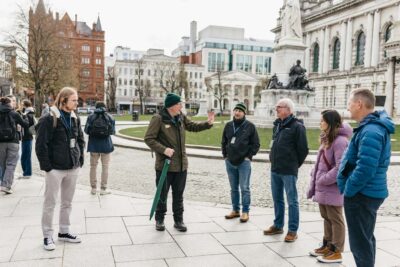
The meeting point is in front of the large red and white apartment building, described as the only 20-story building in the area. That landmark should be easy to identify, but I would still allow a few minutes to get there and keep your phone handy in case you need to contact the operator.
This is a walking tour, so wear practical shoes. The information supplied does not describe transport between stops, and the route centers on West Belfast’s neighborhoods, roads, murals, and memorial sites. The tour lasts two hours, though one recent departure ran close to three hours, so avoid scheduling a tight connection afterward.
The walk is offered in English with a live guide. It is listed as wheelchair accessible, but the exact street conditions and pace are worth confirming if you have particular mobility needs. No food or drinks are included.
Starting with life inside the conflict
The opening section sets the human tone. Rather than beginning with an abstract political lecture, the guide explains what it meant to grow up in a community where violence was part of daily life.
Barbara has received especially warm praise for this part of the experience. She is described as engaging, compassionate, and able to combine personal memories with wider context. Her stories include family experiences and the effect of plastic bullets, an especially revealing subject because it shows how conflict could harm people without the better-known drama of a bombing or gun battle.
You can expect the guide to discuss fear, community pressure, and the way political identity shaped daily decisions. The purpose is not to make every detail comfortable. It is to show how ordinary people adapted to conditions they never chose.
That personal approach also explains why the tour can run longer than advertised. A guide may stop to answer questions, clarify a political point, or tell a family story that does not fit neatly into a timetable. I would see the extra time as a benefit, but plan for it.
Reading the Falls Road murals
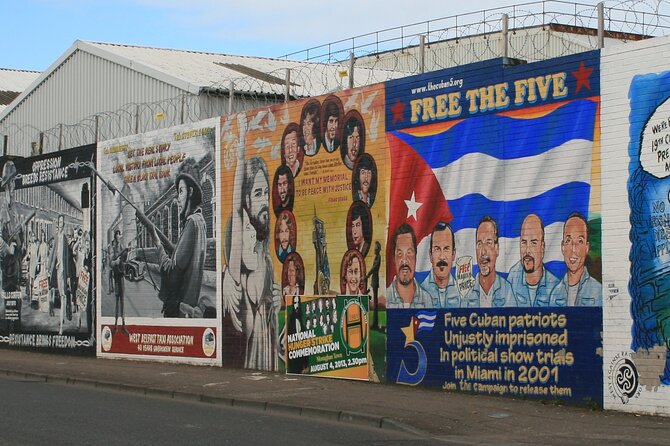
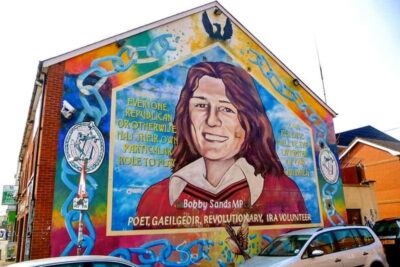
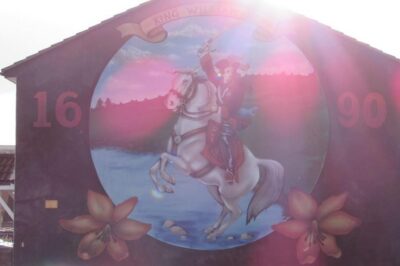
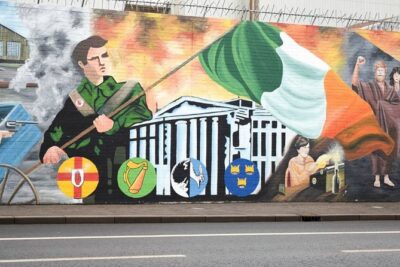
The Falls Road is one of Belfast’s best-known areas for Republican murals. The artwork covers political events, local deaths, international causes, cultural identity, and memories of struggle. It has often been described as an outdoor gallery, but that label can make the walls sound more decorative than they are.
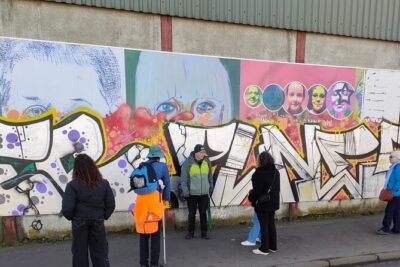
With a local guide, you learn to read the murals as statements. Some honor individuals. Some express political demands. Some connect Belfast with causes and communities outside Northern Ireland. The guide’s explanation gives you a way to ask who created the image, who it is for, and how its meaning may have changed over time.
This is also the most photograph-friendly part of the walk, but be thoughtful with your camera. These are not simply colorful backdrops. The images can refer to people who died and events that still cause pain. Listen first, then take photographs when it feels appropriate.
Barbara’s style is repeatedly praised for keeping people engaged while remaining measured about the subject. That balance matters. A guide who only delivers one political message can leave you with a narrow view. A guide who avoids all personal feeling can make the story lifeless. The best moments appear to come when personal memory and wider explanation work together.
More Belfast outings booked on the same trip:
- Belfast: The Titanic Experience with SS Nomadic Visit
★ 4.7 · 7,163 reviews - From Belfast: Giant’s Causeway and Game of Thrones Day Tour
★ 4.4 · 7,061 reviews - From Belfast: Giant’s Causeway Full-Day Guided Trip
★ 4.8 · 6,361 reviews - Titanic Belfast Entrance Ticket: Titanic Visitor Experience Including SS Nomadic
★ 4.5 · 3,698 reviews
Crossing toward the Shankill perspective
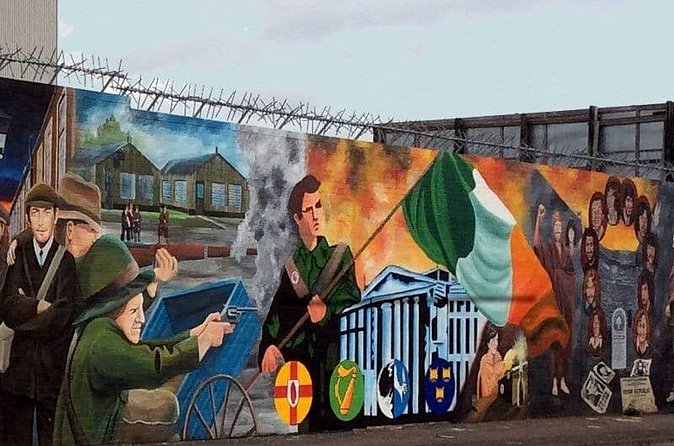
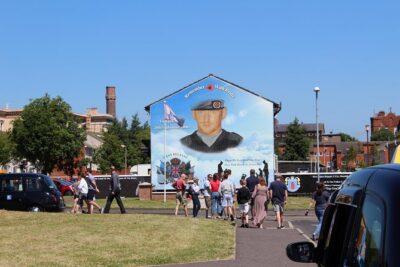
The tour’s central idea is two perspectives connected by one journey. Republican and Loyalist communities developed different identities, political goals, memories, and relationships with Britain and Ireland. The Falls Road and Shankill Road are close on a map, yet their histories have often felt worlds apart.
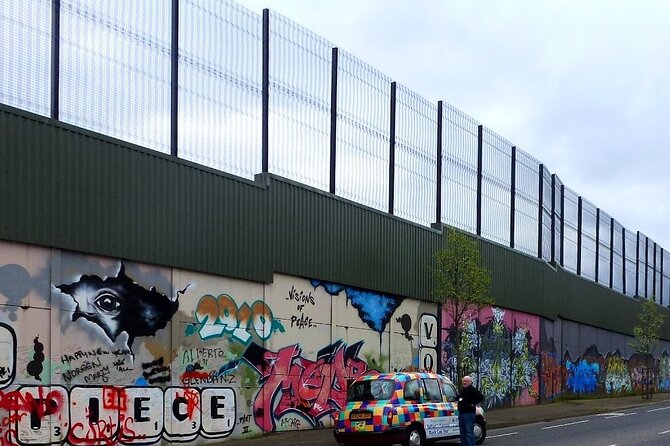
The route helps you see that division in physical terms. High fences, lockable gates, and barriers remain important reminders that the peace process did not erase every fear. One account describes seeing that separation and recognizing that resentment has not simply vanished.
The tour does not promise a tidy ending. That is a strength. The Good Friday Agreement brought a major reduction in violence and created a political framework for peace, but memories, identity, and community boundaries remain complicated.
The supplied description presents two local women, one Republican and one Loyalist, sharing their experiences. In practice, the named guide can vary. Barbara is the most frequently praised guide in the available accounts, while Paul and Rocky also lead tours, and one account refers to July’s emotional personal story. If having two women guides is essential to your decision, confirm the lineup when booking.
Why the women’s stories add something different
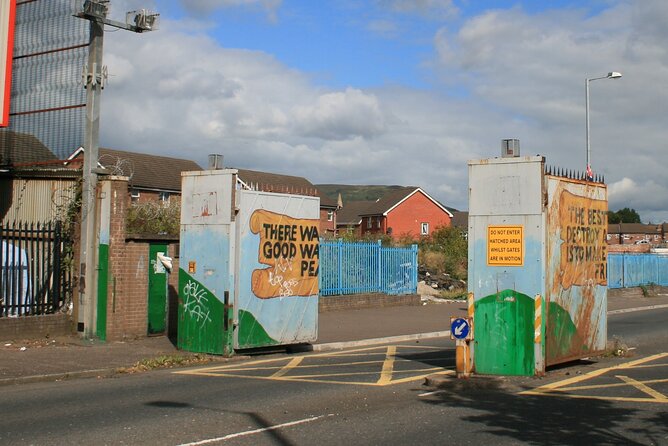
The tour’s focus on women is not a minor theme. It changes the questions you ask.
You hear about how families coped, how mothers protected children, how sisters and daughters handled grief, and how women worked within communities during and after the violence. These accounts can reveal parts of the conflict that political speeches and military timelines often miss.
The personal stories also make clear that peace is not only negotiated by famous leaders. Community workers, parents, victims’ families, and local organizers helped make daily life safer. Women from both sides contributed to dialogue and reconciliation, even when their communities had different memories of what happened.
I appreciate that the tour links the past with the present. It does not suggest that one agreement solved every problem. Instead, it shows a journey from conflict toward a Belfast where conversation is possible, while acknowledging the pain still carried by many people.
Expect emotion. One guide’s story made it clear to a visitor that significant hurt remains. That is not a reason to avoid the tour, but it is a reason to arrive ready to listen rather than argue.
Memorial gardens and the cost of memory
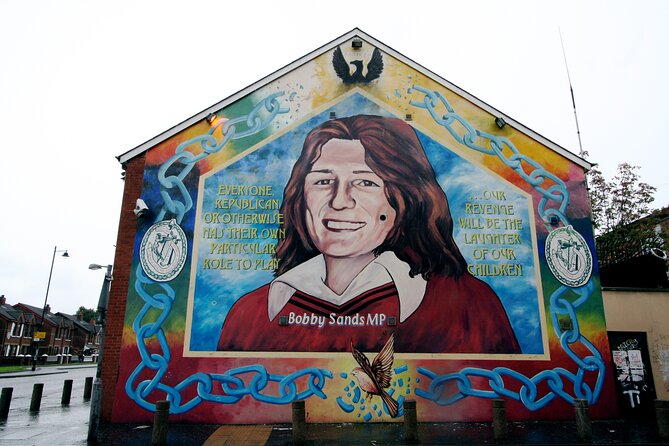
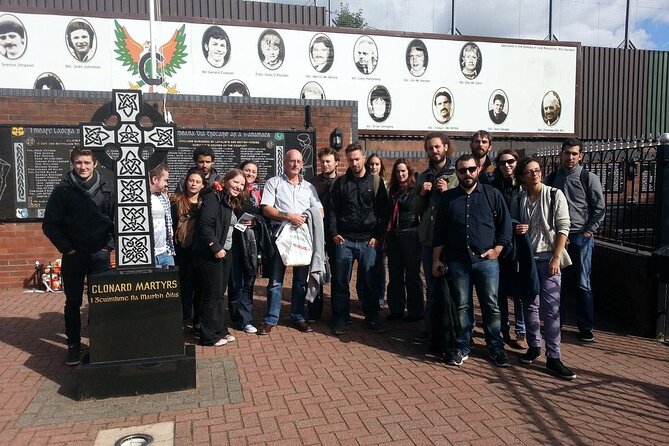
The memorial gardens provide a quieter counterpoint to the murals. Murals speak outwardly, often with bold political symbols. Memorials tend to bring the focus back to individuals and names.
This is where the tour’s stories of those who died and those who survived become especially important. A guide can help you understand why a particular person is remembered, how a community interprets loss, and why two sides may commemorate the same period in sharply different ways.
A museum visit may also form part of the experience or come at the end, depending on the departure. Several accounts praise a museum near the finish, including the Republican Museum, and one visitor enjoyed having a café nearby for lunch afterward. Since the exact ending can vary, treat that as a useful possibility rather than a guaranteed stop.
The museum and memorial portions are valuable because they give you time to absorb what you have heard. The walk can move quickly between stories, walls, and streets. A final indoor stop may help connect the local memories with wider subjects such as British rule, the famine, emigration, civil rights, and the peace agreement.
How balanced is the storytelling?
This is the most important question for a politically sensitive tour.
The tour is built around personal experience, so no guide can offer a completely detached account. A guide who grew up on the Falls Road will naturally explain Belfast from that community’s position. A guide from the Shankill area will carry a different set of memories and concerns.
That does not make the account unreliable. It makes it specific. The value comes from hearing where the guide is coming from and then placing that account beside another perspective.
Barbara is praised for explaining her own experiences while urging the group to understand both communities. Other accounts describe Paul as open, respectful, and careful with the effects of the Troubles. That suggests a serious effort to provide context, but you should still listen critically and remember that this is a personal-history walk, not a university seminar.
One visitor felt the tour showed more of one side than the other, despite the guide’s efforts to add balance. That is a fair caution. If you want the fullest picture, pair this walk with another museum, a visit to Derry, or further reading on the civil rights movement and the peace process.
The guides make the difference
The strongest praise is reserved for the guides, especially Barbara. She is described as warm, passionate, professional, and able to keep a group engaged for the full two hours. Several people say they wanted the tour to continue.
Her mix of humor and difficult memories seems to work well. A little warmth helps you stay attentive during heavy material, while the personal accounts prevent the walk from becoming a dry list of events.
Paul is praised for being welcoming, open, and respectful. Rocky is described as authentic and able to explain the Troubles from firsthand experience. The range of guide comments tells you something useful: the quality depends partly on who leads your departure, but the central strength is the use of local voices.
If Barbara is available and personal storytelling is your priority, her departure may be especially appealing. Still, I would not dismiss the other guides. The experience is designed around lived memory, and each guide will bring a different view of West Belfast.
Is two hours enough?
Two hours gives you a focused introduction rather than a full study of Northern Ireland. You can see major murals, walk through important areas, hear personal accounts, and leave with a clearer grasp of why the conflict still matters.
It is long enough to feel substantial without taking over your whole day. The only warning is that discussions can extend beyond the stated time. One departure lasted nearly three hours, while another finished just under two. Build in extra room if you have dinner reservations or a timed attraction afterward.
The pace should suit people who want to stop and listen. This is not a quick photo circuit. The guide needs time to explain the murals and answer questions, and you need time to process the material.
What the $27 price gets you
At $27 per person, the tour offers good value. You are paying for two hours of local interpretation, access to personal accounts, and a route through places whose meaning is difficult to understand on your own.
You could walk along Falls Road independently and photograph murals for free. You would miss much of the context, though. A plaque rarely explains what a particular image means to a family or why a wall matters to a neighborhood.
The price also compares well with the emotional and educational value of the experience. This is not entertainment in the usual sense. It is a serious conversation that can shape how you understand the rest of Belfast.
Food and drinks are not included, but that is hardly a problem. The finish near a café and museum may give you an easy chance to stop for lunch, though you should confirm the exact ending before planning around it.
Who should book this tour?
I would recommend it to adults and older teenagers who want to understand Belfast through people rather than dates alone. It suits first-time visitors, history-minded visitors, and anyone who has seen the murals but wants to know what lies behind them.
It is also a good choice for mixed-age families. One three-generation group, ranging from 20 to 79, found the tour memorable, suggesting that the storytelling can work across ages when everyone is prepared for serious subject matter.
You may want a different activity if you prefer light sightseeing, dislike political discussion, or want a strictly neutral academic account. The experience is personal by design, and some stories may be distressing.
Children under 12 are not permitted. Even for older children, I would explain beforehand that the tour includes death, violence, fear, and continuing division.
Practical advice for a better visit
Wear comfortable shoes and allow more than two hours. The route is outdoors, and the walking itself is only part of the experience. You will also spend time listening, asking questions, and looking closely at murals and memorials.
Arrive early at the red and white apartment building so you can find the guide without rushing. Barbara has been praised for being visible and ready ahead of time, but good timing remains your responsibility.
Bring questions, but ask them with care. This is living memory, not a debate stage. You will learn more by asking how people experienced an event than by trying to force a guide into a political label.
If you take photographs, remember that the murals may honor people who died or express views that remain controversial. Look first, photograph second.
Finally, leave space afterward. A museum, café, quiet walk, or simple lunch can help you think through what you have heard. The tour may also give you useful ideas for visiting Derry and learning more about Northern Ireland beyond Belfast.
Should you book The Troubles Tour?
Book it if you want Belfast explained through local memory, personal courage, and the difficult work of peace. The guides are the main reason to go, and Barbara in particular appears to offer an unusually engaging combination of firsthand experience, clear background, compassion, and balance.
Go with an open mind and expect pain alongside hope. Confirm whether your departure includes the advertised two-guide, two-women format if that detail matters to you, and keep your schedule flexible in case the conversation runs long.
At $27, this is one of the better ways to understand West Belfast. You will leave with more than mural photographs. You will have a clearer sense of how ordinary women and families lived through the Troubles, and why peace remains a process rather than a finished chapter.
FAQ
Where does The Troubles Tour meet?
The meeting point is in front of the large red and white apartment building, described as the only 20-story building in the area.
How long does the tour last?
The stated duration is two hours. Some departures may take longer, with one reported visit lasting close to three hours.
How much does the tour cost?
The listed price is $27 per person.
What language is the tour offered in?
The live tour is offered in English.
Who leads the tour?
The tour uses local guides with personal experience of the Troubles. Guides named in the available information include Barbara, Paul, Rocky, and July.
Does the tour include two women guides?
The experience is presented as featuring two women, one Republican and one Loyalist. Since the guide lineup can vary, confirm the arrangement when booking if this is important to you.
What places does the tour visit?
The walk explores West Belfast, including the Falls Road, Shankill Road, famous murals, memorial gardens, and possibly a museum near the end of the route.
Is the tour wheelchair accessible?
The activity is listed as wheelchair accessible.
Can children join the tour?
Children under 12 are not suitable for the activity and are excluded according to the tour information.
Newest reviews from Belfast
- VIP Skip-the Line Titanic Museum and Whiskey Tasting Tour★ 4.8 · 11 reviews
- Private Half Day Winter Magic in the Antrim Glens★ 5.0 · 2 reviews
- Giants Causeway Private Tour★ 5.0 · 3 reviews
- Titanic Eastside Bike Tour★ 5.0 · 9 reviews
- The Single Cask Whiskey Experience★ 5.0 · 6 reviews
- This is Belfast Walking Tours. Our history, our culture.★ 5.0 · 7 reviews
- St Patrick’s Centre & Burial Site + Hillsborough Castle & Gardens★ 5.0 · 2 reviews
- Small Group Giant’s Causeway Day Tour from Belfast★ 5.0 · 11 reviews
Murals & Peace Wall Tours, compared.
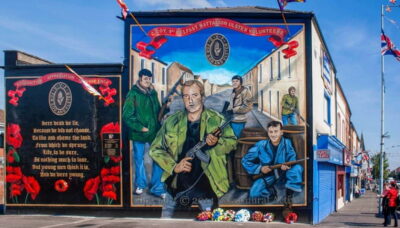
The Troubles Walls & Bridges Guided Walking Tour
Read our review →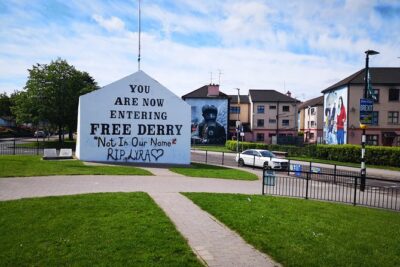
Browse the lists this tour appears in