
Reviewed · WALKING TOURS
Adult Foraging Walk & Bushcraft Cookery Course for Beginners
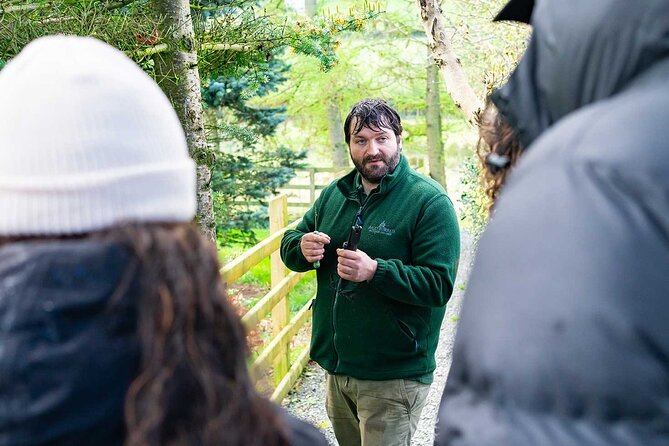
Fire, nettles, and a wooden spoon. This three-and-a-half-hour course turns a woodland walk into a hands-on lesson in wild food, fire-making, and simple bushcraft at BallyBurren Outdoor Escapes in Northern Ireland. Guide David leads small groups of no more than eight, which gives the session a personal, unhurried feel.
I like the mix of useful skills and good food. You learn to identify plants safely, then use what you find in dishes such as nettle soup, pizzas, and chocolate bananas cooked over an open fire. I also like the setting, with wooded paths, flowers, ponds, and alpaca fields providing more than a plain woodland backdrop.
The main consideration is timing. Three and a half hours goes quickly once you add the walk, plant lesson, crafts, fire-building, and cooking. If you want a long, quiet nature ramble, this may feel busy. If you prefer to keep your hands occupied, it packs a great deal into one afternoon.
In This Review
- Key things to know before you book
- Starting at BallyBurren Outdoor Escapes
- A gentle introduction to wild plant identification
- The foraging walk puts theory to work
- From gathered plants to the forest-school kitchen
- Fire-making and simple bushcraft skills
- Why David’s guidance matters
- The setting adds more than scenery
- Is the $88.24 price good value?
- Who will enjoy this most?
- Cancellation and planning details
- Should you book the BallyBurren foraging course?
- FAQ
- Where does the foraging course begin?
- Where does the activity finish?
- How long does the experience last?
- What does the course teach?
- Is the course suitable for beginners?
- How many people can join the course?
- What language is the course offered in?
- Can I cancel for a full refund?
Key things to know before you book
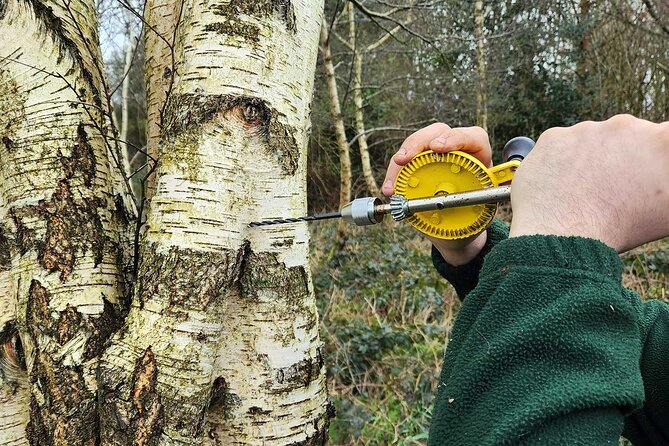
- David’s practical teaching: You learn by handling plants, making fires, and crafting simple wooden items rather than sitting through a long talk.
- A small group of eight: The limited size should make it easier to ask questions and get help with whittling, fire-making, and food preparation.
- Wild food becomes lunch: Nettle soup, pizzas, and banana desserts bring the foraging lesson straight to the campfire.
- Beginner-friendly plant identification: The course covers plant features, seasons, safe collection, and kitchen uses.
- A scenic BallyBurren setting: Expect woodland, flower-lined paths, ponds, and views across alpaca fields.
- Useful take-home skills: You may leave with a wooden spoon, survival whistle, or other small craft made during the session.
Starting at BallyBurren Outdoor Escapes
The experience begins at the BallyBurren Outdoor Escapes car park, at 143 Dromore Road, Ballynahinch, BT24 8HZ. You meet there before walking to the forest school site, so this is not a point-to-point outing. The activity finishes back at the same meeting place.
That simple arrangement matters. You do not need to work out a second pickup point, and you can leave your belongings in the car before heading into the woodland area. Confirmation arrives when you book, and the mobile ticket is useful for keeping the booking details close at hand.
The group limit is eight people. I see this as a real strength for a practical course. Plant identification often comes down to small details, and bushcraft activities can require close help. A small group gives you a better chance to hear David clearly and get a turn at each activity.
The course is offered in English. Service animals are allowed. The supplied details do not state the meeting time, parking arrangements beyond the car park meeting point, or specific clothing requirements, so check your confirmation carefully before setting out.
More Walking Tours in Northern Ireland:
- A History of Terror – Belfast City Centre Walking Tour
★ 5.0 · 2,883 reviews - Belfast: Political Conflict 3-Hour Walking Tour
★ 4.6 · 2,215 reviews - Belfast: A History of Terror Walking Tour
★ 4.9 · 854 reviews
A gentle introduction to wild plant identification
At the forest school site, David begins with the basic ideas behind foraging. This is important because safe foraging is not simply a matter of spotting something that looks edible. You need to recognise the plant properly, understand when it is available, and know how it can be used.
The lesson covers the characteristics of commonly foraged plants, their seasonal timing, and their culinary uses. For a beginner, that framework is more useful than a long list of plant names. You are learning how to look, compare, and make careful choices.
The course also deals with ethical foraging. You learn how to collect responsibly, reduce harm to the surroundings, and think about the wider effect of taking wild food. That is one of the best parts of the experience because it keeps the focus on good habits, not just novelty.
I would pay close attention here. A plant can be familiar without being safe to eat in every situation, and a tasty discovery is not worth a careless mistake. The course is designed to build confidence, but confidence should come from correct identification and restraint.
The foraging walk puts theory to work
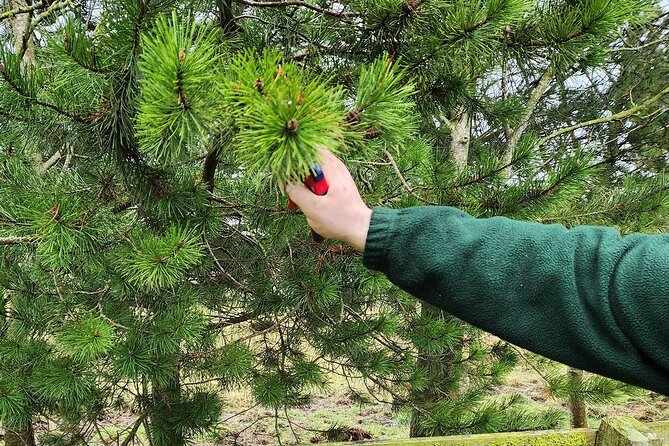
After the introduction, you head out on a foraging walk. The setting includes woodland, flower-lined routes, ponds, and alpaca fields, so the walk has variety even before you begin looking for edible plants.
The route is not presented as a simple stroll. You stop to examine plants and learn how their features connect to food use. You might taste selected items fresh from the ground, an experience that makes the lesson much easier to remember than reading a description on a page.
This tasting element received especially strong praise in the supplied feedback. People were surprised by how many edible plants they had previously overlooked, and that is the point of a guided walk like this. You begin to see ordinary growth along a path as something worth identifying, while still learning not to pick at random.
The walk also gives the course a useful rhythm. You spend time outside, move between locations, and gather ideas for the cooking session. Still, the tour lasts only about three and a half hours, so do not expect an exhaustive survey of Northern Ireland’s wild plants. It is an introduction, not a full field course.
From gathered plants to the forest-school kitchen
The cooking section is where the course earns much of its appeal. Instead of treating foraging as a separate activity, David connects the plants to a meal. The supplied experiences include nettle soup, pizzas, and chocolate bananas cooked over the campfire.
Nettle soup is a particularly fitting choice. It shows how a plant many people avoid can become food when handled and prepared correctly. The pizzas make the session more familiar, while the banana dessert gives the meal a sweet finish and keeps the food accessible for children.
You are not simply handed a plate. The food is prepared and cooked as part of the bushcraft lesson, using an open fire. That makes the meal feel earned, and it gives you a practical reason to pay attention to fire safety and preparation.
There is also a tasting session featuring out-of-season produce. This helps show the difference between what can be found in the current season and what can be enjoyed at other times. The course therefore covers both fresh finds and the wider idea of using wild food in a sustainable way.
The exact menu may vary, so I would not book expecting every dish listed above on every date. The main value is the method: identify, prepare, cook, and taste.
Inland, coastal, or just plain different:
- Belfast: The Titanic Experience with SS Nomadic Visit
★ 4.7 · 7,163 reviews - From Belfast: Giant’s Causeway and Game of Thrones Day Tour
★ 4.4 · 7,061 reviews - From Belfast: Giant’s Causeway Full-Day Guided Trip
★ 4.8 · 6,361 reviews - Belfast: Political Taxi Tour
★ 4.8 · 5,014 reviews
Fire-making and simple bushcraft skills
The course adds several activities beyond food. You learn how to make fires and use them for cooking, which gives the afternoon a clear practical focus. Fire-making can also be one of the most satisfying parts for children and adults because the result is immediate and visible.
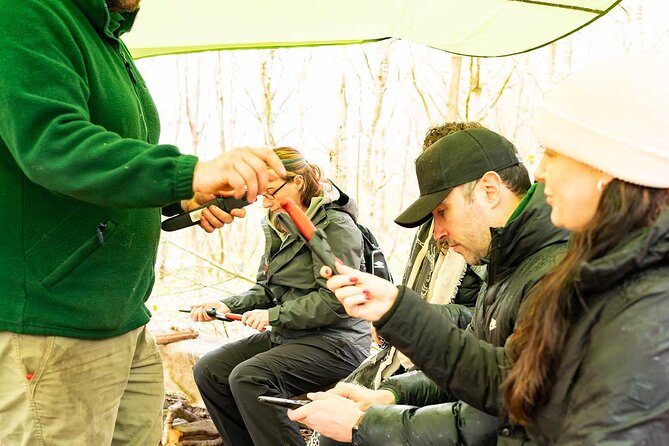
Craft work adds another layer. The activities described include making wooden mallets, whittling spoons, and creating survival whistles. One session also included making a picture from gathered flowers. These are simple projects, but they turn the woodland visit into something you can remember after leaving.
Whittling deserves a little caution. Working with wood and a knife requires care, patience, and close attention. David’s teaching style is repeatedly praised for being patient and helpful, which is especially valuable when several people are learning at once.
The craft activities also make the course suitable for family groups. A parent and daughter used the time to learn together, and another family found ways to include a child with autism. I would not assume that every individual need can be accommodated without discussion, but the feedback suggests a considerate approach from the guide.
If you prefer a passive sightseeing trip, this may be too hands-on. If you like making something with your own fingers, it is a strong match.
Why David’s guidance matters
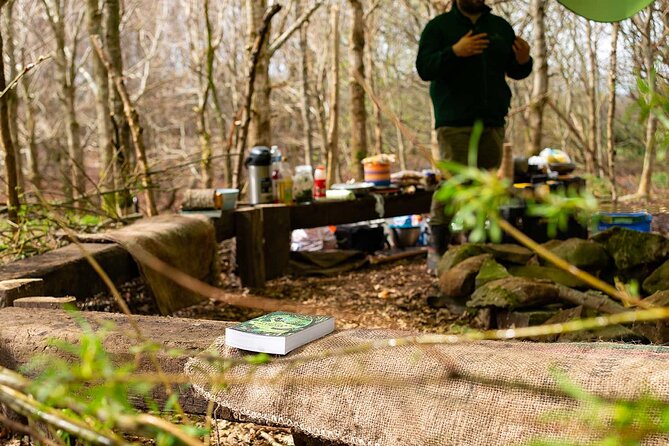
David is the named guide, and his role is central to the experience. His teaching combines plant facts with direct activity, so you are not left with a pile of information and no idea how to use it.
The strongest praise focuses on his patience, clear help, and care with different ages and abilities. That matters here because the course moves between several skill levels. One person may be confident with a fire, while another is holding a carving tool for the first time.
I also like that the guide does not appear to treat the course as a race. The feedback describes many activities fitted into the allotted time, but it also points to personal attention. With a maximum of eight people, David can answer questions and keep an eye on practical work.
You should still expect to take part. The guide can explain and demonstrate, but the fun comes from doing the work yourself. You will get more from the course if you are willing to taste unfamiliar plants, try basic carving, and help with cooking.
The setting adds more than scenery
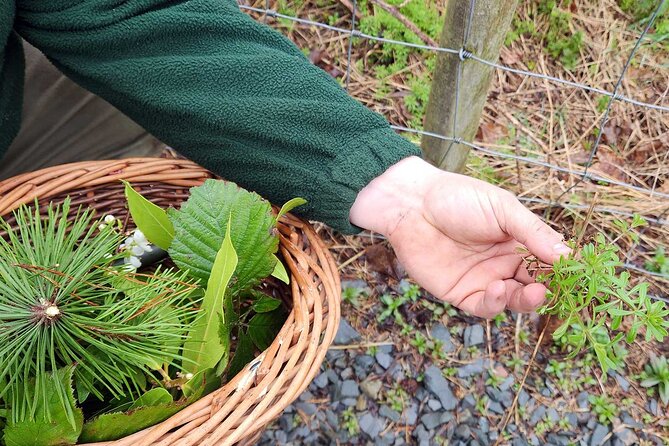
BallyBurren gives the course a varied setting. The woodland provides the main outdoor classroom, while flower-lined paths, ponds, and alpaca fields add visual interest along the way.
That variety is useful for families and mixed-age groups. If someone is less interested in plant identification, the craft work, animals, fire, or food may keep the afternoon enjoyable. The setting gives the course several different points of appeal instead of relying on one long walk.
I would not confuse this with a remote wilderness survival course. The meeting point is at an established outdoor attraction, and the activities are structured around a forest school site. That makes it a more approachable introduction for beginners, but those seeking a demanding backcountry challenge should look elsewhere.
The natural setting also supports the course message about sustainability. You are not only learning to take from nature. You are learning to observe carefully, collect with limits, and use what you find with respect.
Is the $88.24 price good value?
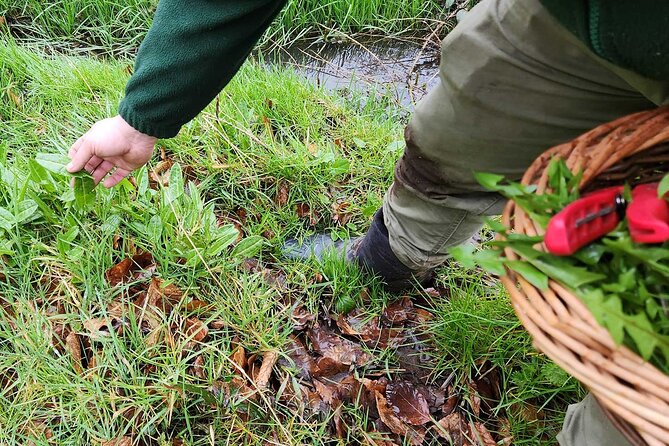
At $88.24 per person, the price is not bargain-level for a short afternoon. But you are paying for more than a guided walk. The session combines plant instruction, tasting, foraging, fire-making, cooking, woodcraft, and a prepared meal.
The small group improves the value. A maximum of eight gives the course a workshop feel rather than a crowd experience. You can ask questions, receive help with tools, and take part in the food preparation instead of watching from the edge.
I would also count the meal and activities when comparing prices. Nettle soup, pizzas, and chocolate bananas are part of the experience, as are the raw materials and instruction for craft projects. You are buying a compact learning session with plenty of participation.
The price makes most sense for someone who values a memorable activity over a standard attraction ticket. It is less convincing if you only want a short woodland walk or a meal outdoors. For families, couples, and curious beginners, the mix of skills and food gives the cost a reasonable case.
Who will enjoy this most?
I would recommend the course to adults who are new to foraging and want a safe, guided introduction. It also suits families looking for an activity that gives children something real to do, rather than asking them to walk quietly behind a guide.
It works well for people who enjoy food, nature, simple crafts, and practical learning. The reports of wooden spoons, mallets, whistles, flower art, and campfire cooking suggest enough variety to keep the session moving.
It may be less suitable for you if you dislike group activities, cannot take part in hands-on tasks, or want a specialist course covering a large number of plants. The short duration means the subject is introduced rather than mastered.
I would also remember that the activity takes place outdoors. The provided details do not state the surface, distance, weather arrangements, or required clothing, so check those points before booking if they affect your comfort.
Cancellation and planning details
Free cancellation is available if you cancel at least 24 hours before the experience start time. Cancellations made less than 24 hours in advance are not refunded, and changes within that period are not accepted.
The cut-off follows the local time in Northern Ireland. Since the meeting and ending point are the same car park, planning is straightforward, but you should arrive ready to walk to the forest school site.
The booking is confirmed at the time of purchase, and the mobile ticket makes access simple. The session is conducted in English, and service animals are permitted.
Should you book the BallyBurren foraging course?
I would book this if you want a lively introduction to wild food with real participation. The best parts are the small group, David’s patient instruction, fresh plant tasting, and the chance to cook nettle soup, pizzas, and dessert over a fire.
I would skip it if your main goal is a long, quiet hike or advanced survival training. The course is short, structured, and activity-heavy. For a first step into foraging, though, the combination of careful plant identification, ethical guidance, woodcraft, and a campfire meal makes the $88.24 price defensible.
FAQ
Where does the foraging course begin?
It begins at the BallyBurren Outdoor Escapes car park, 143 Dromore Road, Ballynahinch, BT24 8HZ, UK.
Where does the activity finish?
The activity ends back at the same meeting point, the BallyBurren Outdoor Escapes car park.
How long does the experience last?
The course lasts approximately 3 hours and 30 minutes.
What does the course teach?
It covers basic plant identification, seasonal availability, culinary uses, safe foraging, ethical collection, food preparation, and sustainable practices.
Is the course suitable for beginners?
Yes. It is designed as a beginner introductory foraging course and includes basic guidance on recognising commonly foraged plants.
How many people can join the course?
The activity has a maximum group size of eight people.
What language is the course offered in?
The course is offered in English.
Can I cancel for a full refund?
Yes, if you cancel at least 24 hours before the experience start time. Cancellations made less than 24 hours in advance are not refunded.
Newest reviews from Northern Ireland
- Unforgettable beauty of Northern Ireland from an E-Bike★ 5.0 · 9 reviews
- VIP Skip-the Line Titanic Museum and Whiskey Tasting Tour★ 4.8 · 11 reviews
- Derrie Danders: Wander around the Waterside on a self-guided GPS audio tour★ 4.5 · 3 reviews
- Derrie Danders: Unveiling Derry’s Dark & Haunted Past Audio Tour★ 4.5 · 3 reviews
- Derrie Danders: A Self-Guided Audio Tour of the Riverside and South City★ 5.0 · 3 reviews
- Londonderry Private Walking Tour With A Professional Guide★ 5.0 · 2 reviews
- Giant’s Causeway & Game of Thrones (luxury Private Tour)★ 5.0 · 15 reviews
- Full-day private tour from Game of Thrones Odyssey★ 5.0 · 2 reviews
Walking Tours, compared.
A History of Terror – Belfast City Centre Walking Tour
Read our review →


The Troubles Walls & Bridges Guided Walking Tour
Read our review →

Belfast Political Tour-Conflicting Stories Walking Tour
Read our review →
Browse the lists this tour appears in