Reviewed · BELFAST TOURS
Dublin:Fast-Entry Book of Kells & Dublin Castle Bespoke Tour
Dublin’s story is packed into a few walkable blocks. This 2.5-hour tour links Trinity College, the Book of Kells, Molly Malone, and Dublin Castle with a public historian who explains how early Christianity, British rule, rebellion, and modern Ireland connect. I especially like the skip-the-line Book of Kells entry and the focus on small groups, which should make a busy city-center visit easier to follow.
I also like that the tour does not treat Dublin Castle as just a photo stop. You explore its courtyards, gardens, and exterior grounds while learning how the site changed from a center of British administration into a symbol tied to Irish independence. The main consideration is that the tour is in English, lasts only 2.5 hours, and does not include entry to the castle interiors.
In This Review
- Key points at a glance
- Starting at the Henry Grattan Monument
- Trinity College and the Old Library
- The city’s statues, monuments, and quieter corners
- Meeting Molly Malone near the city center
- Approaching Dublin Castle from Dame Street
- Returning through central Dublin
- What the $93 price buys you
- Guide quality and group style
- Who should book this Dublin walk?
- Practical tips for a better visit
- Should you book it?
- FAQ
- How long does the Dublin Book of Kells and Dublin Castle tour last?
- What language is the tour conducted in?
- Where does the tour meet?
- How early should I arrive?
- Is admission to the Book of Kells included?
- Does the Dublin Castle visit include the interior?
- Are children allowed on the tour?
- Can I bring large luggage or use a wheelchair?
Key points at a glance
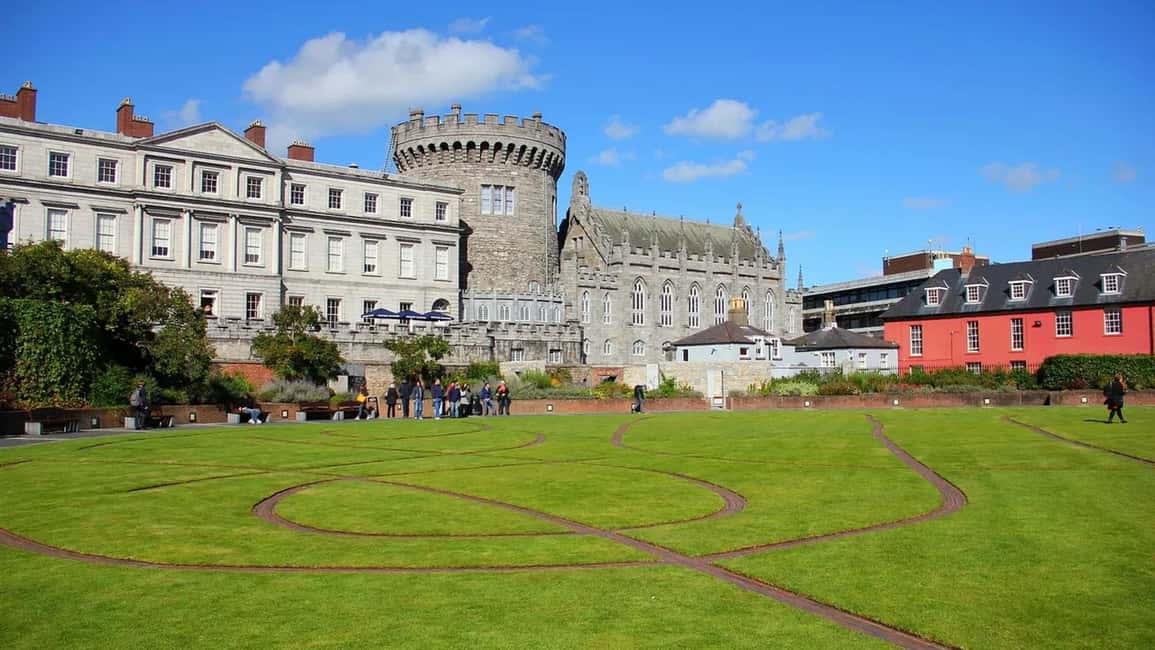
- The Book of Kells is the centerpiece: You visit Trinity College, the Old Library’s Long Room, and the famous illuminated manuscript with admission covered.
- The route stays in central Dublin: The tour begins and ends at the Henry Grattan Monument, directly near Trinity College.
- Dublin Castle is covered from the outside: You see the Upper Yard, courtyards, gardens, and surrounding grounds, but this is not an interior castle tour.
- The guide adds political context: Commentary moves from early Irish Christianity through conquest, rebellion, conflict, and partial independence.
- The pace suits a first visit: With stops at Molly Malone and lesser-known city corners, you get a useful introduction without spending a full day walking.
- The price is reasonable for included admission: At $93 per person, the value depends largely on how much you want a guide and priority access at Trinity College.
Starting at the Henry Grattan Monument
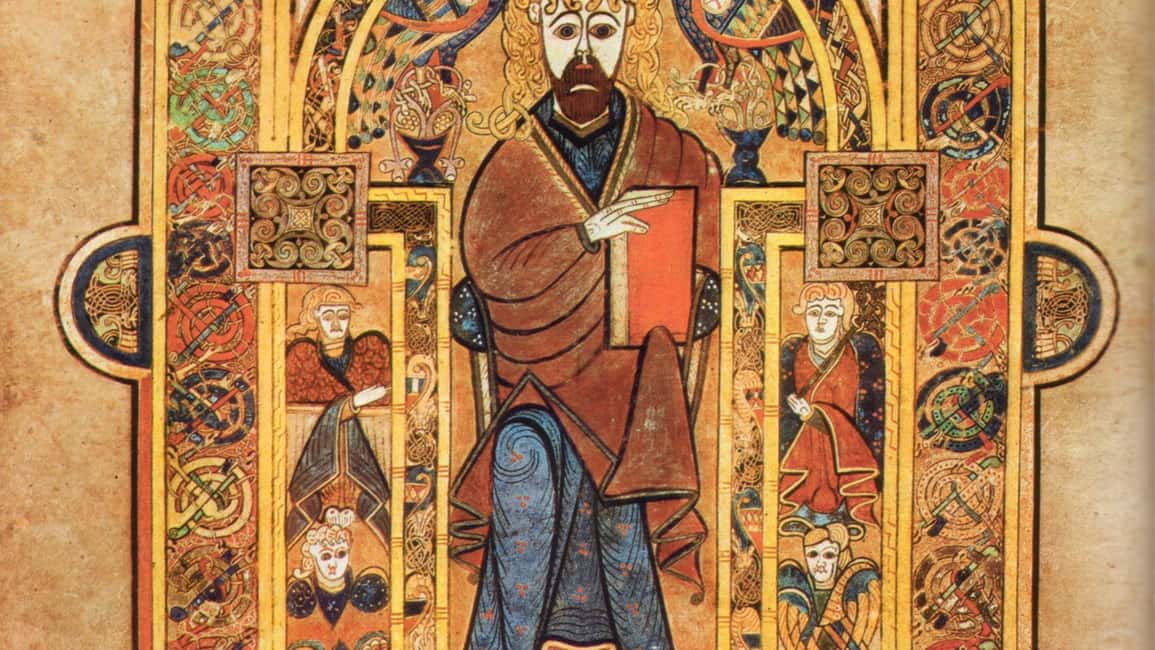
Your meeting point is the Henry Grattan Monument, on a traffic island directly in front of Trinity College’s main entrance at College Green. Look for the statue surrounded by trees. The guide waits at the foot of it, and you should arrive 10 to 15 minutes before the start time.
This is a smart place to begin. Trinity College is one of Dublin’s major landmarks, and College Green puts you close to the central streets, historic buildings, and public statues that shape the first part of the walk. You do not need to find a distant coach park or arrange transport. The tour is built for Dublin on foot.
Small-group availability is another useful feature. The experience may not always be limited to a tiny private party, so check the selected departure when booking, but a smaller group can make a real difference on narrow city streets. It is easier to hear the guide, ask questions, and stay together around busy Trinity College.
More Belfast outings booked on the same trip:
- Belfast: The Titanic Experience with SS Nomadic Visit
★ 4.7 · 7,163 reviews - From Belfast: Giant’s Causeway and Game of Thrones Day Tour
★ 4.4 · 7,061 reviews - From Belfast: Giant’s Causeway Full-Day Guided Trip
★ 4.8 · 6,361 reviews
Trinity College and the Old Library
The first substantial stop is Trinity College, with about an hour devoted to the college area and its treasures. The tour presents the campus not only as a university but also as a place linked to Ireland’s religious, literary, and political story.
The main attraction is the Book of Kells. This medieval manuscript is famous for its elaborate decoration and connection to early Christian Ireland. The tour gives you the background needed to appreciate it, rather than leaving you to stare at a protected page without context.
Admission is included, and skip-the-ticket-line access is part of the package. That matters at Trinity College, where queues can take time away from the rest of your day. Priority entry does not mean you walk straight through every crowd, but it should reduce the wait involved in arranging admission separately.
After seeing the manuscript, you visit the Old Library’s Long Room. This is the grand chamber many people picture when they think of Trinity College. Its scale and rows of books give the visit a very different feel from the more intimate display of the Book of Kells.
I like this pairing. The manuscript gives you a close look at a remarkable piece of early Irish culture, while the Long Room gives you the setting and atmosphere of a major historic library. The two visits also make the entry fee easier to justify, especially if Trinity College is high on your Dublin wish list.
There is one practical point to keep in mind. This is a guided visit, not an extended period for independent reading or photography. Your group follows the tour schedule, and the Book of Kells display can be busy. If you want a slow, quiet look at every detail, you may need to return on your own if your schedule allows.
The city’s statues, monuments, and quieter corners

Between the major sights, the guide points out monuments and less obvious details in the center of Dublin. The itinerary includes a brief photo stop at a lesser-known location, followed by more walking and commentary. Specific details about that stop are not fixed in the information provided, so treat it as a chance to see a side of central Dublin that you might pass without noticing.
This part of the walk gives the tour a better rhythm. You are not spending the entire morning inside formal attractions. You move through streets where Dublin’s past is part of the everyday setting, and the guide connects public spaces to the wider story of the city.
The commentary covers early Christianity, conquest, British administration, rebellion, conflict, and later movement toward peace and partial independence. That range is useful because Dublin’s past is not a simple tale of one side defeating another. The city has carried several layers of power and identity at once.
Wireless audio earpieces are available if requested. Ask for them at the start if the group is large or city noise makes it difficult to hear. They can be especially helpful near traffic, crowds, and open courtyards.
Meeting Molly Malone near the city center
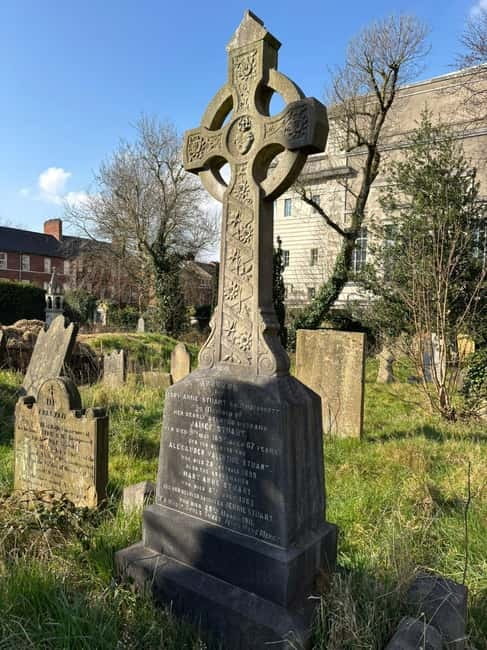
The Molly Malone Statue receives its own 15-minute stop. This is a quick visit, with time for photographs and a short explanation from the guide.
The statue is one of Dublin’s best-known meeting points and a familiar symbol of the city. It is also the kind of stop that works better with a guide because the value is not only the photograph. You get a sense of how songs, legends, public monuments, and local identity overlap in Dublin.
Do not expect a long museum-style presentation here. The stop is brief and works as a transition between Trinity College and Dublin Castle. If you want an unhurried photo, you may need to move efficiently, especially if other groups are nearby.
Inland, coastal, or just plain different:
- Belfast: Political Taxi Tour
★ 4.8 · 5,014 reviews - Titanic Belfast Entrance Ticket: Titanic Visitor Experience Including SS Nomadic
★ 4.5 · 3,698 reviews - Cab Tours Belfast Famous Black Taxi Tours
★ 5.0 · 3,633 reviews - Giant’s Causeway Day Trip from Belfast
★ 5.0 · 3,480 reviews
Approaching Dublin Castle from Dame Street
The final major sight is Dublin Castle, with about an hour of guided attention. The experience focuses on the exterior grounds, gardens, courtyards, and surrounding areas. It does not include an interior castle visit, so you should choose this tour for the site’s setting and political story rather than for rooms and exhibitions inside.
Approaching from Dame Street, the castle may surprise you. It is not the classic stone fortress many people expect from the name. Instead, the complex combines Georgian and Gothic Revival architecture with older traces of Dublin’s past. The first impression is more official and ceremonial than medieval.
In the Upper Yard, you can picture the site as a center of British administration in Ireland. The cobbled courtyard carries the feel of government and ceremony. Here, the guide’s historical explanation matters. The buildings are easier to understand once you know that the site witnessed political control, rebellion, transfer of power, and the formation of the Irish state.
The exterior route also brings in the Dubh Linn, the black pool associated with Dublin’s name. The pool itself is not presented as a large surviving feature beside the castle, but its location helps explain why this area mattered to the city’s origins. It is a small detail with a useful payoff: the castle was not placed randomly. It grew from the same central setting that helped give Dublin its name.
The gardens and perimeter offer a calmer counterpoint to the formal Upper Yard. You see how the site combines public ceremony, administration, and open spaces. The visit encourages you to consider Dublin Castle as a place marked by both domination and national change, rather than assigning it one fixed meaning.
If your main goal is to tour lavish state rooms or medieval interiors, this experience will feel incomplete. You would need a separate castle admission for that kind of visit. If you want the political setting, outdoor architecture, and a guide’s explanation of why the castle matters, the exterior tour is a sensible use of time.
Returning through central Dublin
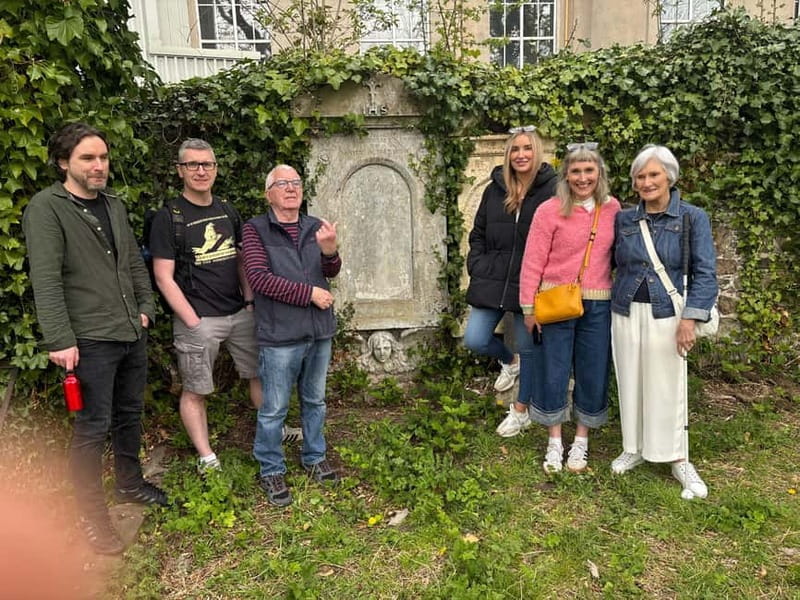
After Dublin Castle, the route includes another short stop for photographs and guided commentary before returning to the Henry Grattan Monument. The return point makes planning simple. You finish near Trinity College, College Green, and the central streets, rather than being left at an unrelated location.
The complete route takes 2.5 hours. That is long enough to cover the city’s key sights but short enough to fit into a morning or afternoon. I would pair it with an independent visit to a museum, a pub with traditional music, or another Dublin attraction later in the day.
The walking is central to the experience. You should be comfortable moving between Trinity College, Molly Malone, and Dublin Castle, then spending time standing during explanations. The tour is not suitable for non-folding wheelchairs or electric wheelchairs, and large bags, oversize luggage, alcohol, and drugs are not allowed. Children under 10 cannot join.
What the $93 price buys you

At $93 per person, this is not the cheapest way to see Dublin’s center. You are paying for an official guided walking tour, public historian commentary, entry fees, and priority access to the Book of Kells. The price also reflects the convenience of joining one organized route rather than arranging Trinity College admission and a separate castle visit.
The value is strongest if you want context. I would consider it worthwhile for a first visit, especially if the Book of Kells is a priority and you prefer a guide to explain the political background. A self-guided visit may cost less, but you would need to organize timing, admission, and your own interpretation of the sights.
The price is less compelling if you have already visited Trinity College, plan to explore Dublin independently, or mainly want to see the outside of Dublin Castle. Since the castle interiors are not included, check your priorities before booking.
The available rating is five stars from two ratings, including a July 2025 booking described as fantastic. That is encouraging, though it is still a small amount of feedback. The strongest praise points toward the overall guided experience, so I would book this for the quality of the route and explanation rather than expecting a long list of added extras.
Guide quality and group style
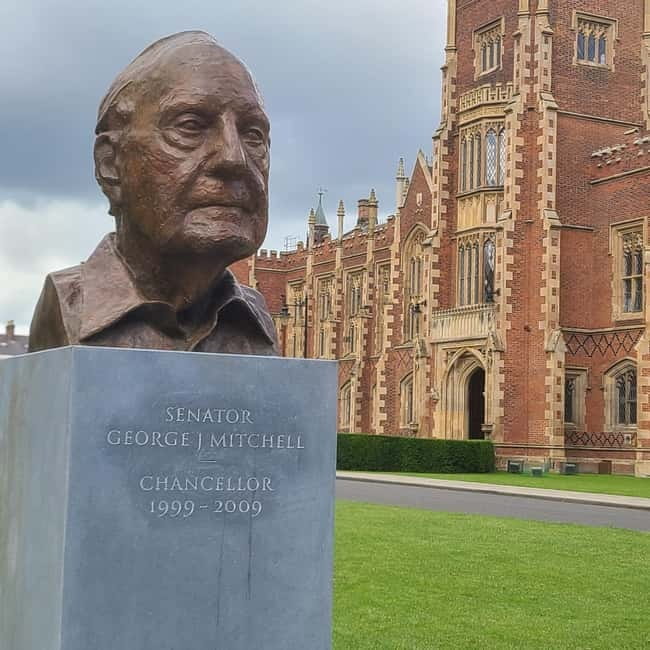
The tour is led by experienced, officially qualified guides, with commentary from a public historian. The stated subject range is unusually broad for a short city walk, moving from early Irish Christianity to conquest, rebellion, conflict, and the modern period.
That breadth can help you place Dublin’s landmarks in context. It can also mean that some topics receive only a short explanation. You should think of this as a focused introduction, not a specialist seminar on one period.
Small-group departures are available, and family groups are welcome, though children under 10 are not permitted. The tour is conducted in English only. If you want to ask questions, a smaller departure should offer the best chance to interact directly with the guide.
Who should book this Dublin walk?

I would recommend it to first-time visitors who want to see several central sights in one organized outing. It is particularly well suited to you if the Book of Kells is essential, you want to avoid a standard ticket queue, and you prefer hearing the story of Dublin from a qualified local guide.
It also suits history-minded visitors who want more than pretty buildings. Dublin Castle becomes more meaningful when you understand its role in administration, rebellion, and nationhood. The route gives you a useful framework for exploring the city on your own afterward.
I would be cautious about booking it if you need step-free access for a non-folding or electric wheelchair, are traveling with children under 10, or want to tour Dublin Castle’s interiors. You may also prefer another option if you want a slow photography walk, since the schedule includes several short stops and a fixed route.
Practical tips for a better visit
Arrive early at the Henry Grattan Monument. The statue is on a traffic island, so identifying the exact meeting point in advance will save time.
Wear comfortable shoes and keep your bag small. Large luggage and oversize bags are not allowed, and a walking tour is easier when you are not carrying unnecessary weight.
Request the wireless audio earpiece if you think you will need it. City-center traffic and crowds can make live commentary harder to catch.
Keep your expectations clear at Dublin Castle. You will see the exterior grounds, gardens, courtyards, and perimeter, not the castle’s interior rooms.
Use the rest of the day wisely. Since the tour ends back at Trinity College, you are well placed to continue exploring central Dublin without arranging transport.
Cancellation is flexible: you can cancel up to 24 hours before the scheduled start for a full refund. You can also reserve now and pay later, which helps if your Dublin plans are still changing.
Should you book it?
Book this tour if you want an efficient, guided introduction to central Dublin, with the Book of Kells as the main priority. The combination of included admission, skip-the-line access, Molly Malone, Trinity College, and Dublin Castle makes the route useful for a first day in the city.
Skip it if you want a detailed interior tour of Dublin Castle, need a fully accessible route, or prefer to explore at your own pace. At $93, the tour earns its price through the guide, organization, and Book of Kells access. For a history-focused visitor who values clear explanation over simply ticking off sights, that is a fair trade.
FAQ
How long does the Dublin Book of Kells and Dublin Castle tour last?
The tour lasts 2.5 hours.
What language is the tour conducted in?
The live guided tour is conducted in English.
Where does the tour meet?
It meets at the Henry Grattan Monument on a traffic island directly in front of Trinity College’s main entrance on College Green in Dublin. The guide waits at the foot of the statue, near the trees.
How early should I arrive?
You should arrive 10 to 15 minutes before the scheduled start time.
Is admission to the Book of Kells included?
Yes. Entry fees are included, and skip-the-ticket-line access is provided.
Does the Dublin Castle visit include the interior?
No. The tour visits Dublin Castle’s exterior grounds, gardens, courtyards, and surrounding areas. Interior castle entry is not included in the provided details.
Are children allowed on the tour?
Children under 10 are not allowed to participate.
Can I bring large luggage or use a wheelchair?
Oversize luggage and large bags are not allowed. Non-folding wheelchairs and electric wheelchairs are also not suitable for this activity.
Newest reviews from Belfast
- VIP Skip-the Line Titanic Museum and Whiskey Tasting Tour★ 4.8 · 11 reviews
- Giants Causeway Private Tour★ 5.0 · 3 reviews
- Titanic Eastside Bike Tour★ 5.0 · 9 reviews
- Private Half Day Winter Magic in the Antrim Glens★ 5.0 · 2 reviews
- The Single Cask Whiskey Experience★ 5.0 · 6 reviews
- This is Belfast Walking Tours. Our history, our culture.★ 5.0 · 7 reviews
- St Patrick’s Centre & Burial Site + Hillsborough Castle & Gardens★ 5.0 · 2 reviews
- Shore Excursion from Belfast to Giants Causeway & Rope Bridge★ 5.0 · 2 reviews
Belfast Tours, compared.
Giant’s Causeway and Game of Thrones Day Tour
Read our review →


Titanic Belfast Entrance Ticket: Titanic Visitor Experience Including SS Nomadic
Read our review →