
Reviewed · MUSEUMS
Belfast: Ulster Folk Museum Entry Ticket
Step into Ulster’s past. The Ulster Folk Museum lets you wander through a recreated town and countryside where original buildings, traditional crafts, working farm methods, and costumed interpreters show how people lived more than a century ago. I especially like the authentic buildings, moved from locations across Ulster, and the chance to watch skills such as weaving, blacksmithing, printing, basket making, and bread baking in action. The main drawback is that much of the visit takes place outdoors, and some paths are cobbled, gravelly, or uneven.
I also like the freedom of a self-guided visit. You can spend a quick few hours or make a full day of it, stopping for tea, a picnic, or a drink at McCusker’s Pub along the way. The setting is peaceful and spacious, but directional signs could be clearer, so a map and a little patience help.
The museum is best for families, history fans, and anyone who prefers real places and practical demonstrations over glass cases. It is less suited to visitors seeking a tightly timed guided tour or a completely indoors attraction. Weather matters here, so bring a coat and wear shoes you can walk in.
In This Review
- Key points to know before you go
- Why this museum feels different from a standard heritage site
- Starting in Ballycultra, the museum’s recreated town
- Old shops, a pub, and a picture house
- Watching traditional skills at work
- From town streets to rural Ulster
- Food, breaks, and making a full day of it
- Price, timing, and practical planning
- Who will enjoy Ulster Folk Museum most?
- Should you book the Ulster Folk Museum?
- FAQ
- Where is the Ulster Folk Museum?
- How long is the ticket valid?
- What does the entry ticket include?
- Is this a guided tour?
- Is the museum open every day?
- Is the Ulster Folk Museum wheelchair accessible?
- Can I eat at the museum?
Key points to know before you go
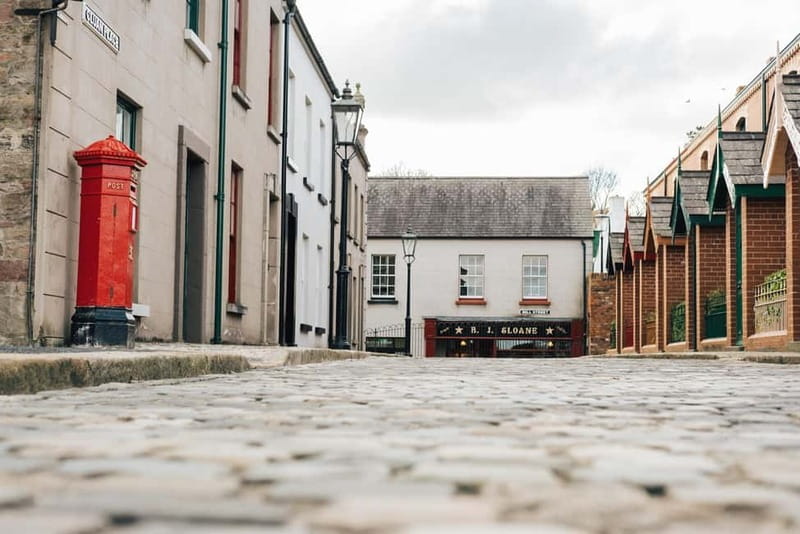
- Ballycultra recreates an old Ulster town: Explore cobbled streets, shops, homes, a print shop, a forge, a pub, and an old-style picture house.
- Original buildings give the museum weight: Many structures were brought from different parts of Ulster rather than built as modern replicas.
- Craft demonstrations make the past easier to understand: Look for weaving, blacksmithing, carpentry, basket making, printing, and traditional bread baking.
- The rural section includes a working farm: Whitewashed homes, farm animals, fields, and traditional farming methods continue the story beyond the town.
- You can make this a full-day outing: The site has a tearoom, picnic benches, a licensed pub exhibit, shops, and no time limit on the day.
- Plan for outdoor walking: The museum is wheelchair accessible, but cobblestones, gravel, and changing weather may affect how comfortably you move around.
Why this museum feels different from a standard heritage site
The Ulster Folk Museum is not a single grand building filled with objects. It is a large open-air site designed to show daily life through buildings, streets, work, food, farming, and conversation.
That difference matters. A photograph of a blacksmith’s shop tells you what the room looked like. Seeing a forge used for its intended purpose helps you understand the noise, heat, tools, and skill involved. A kitchen becomes more meaningful when you see bread being made there. A shop feels less like a display when sweets are weighed with old-fashioned ounce weights.
The museum presents Ulster as it was more than 100 years ago, with a town area called Ballycultra and a rural area spread across the surrounding countryside. Buildings originally stood in different locations around Ulster before becoming part of this site. That gives the visit a useful sense of place without requiring you to travel all over the region.
I find this approach especially good for families. Children can follow streets, enter houses, look at animals, and watch people making things. Adults get the social context: how homes were arranged, how shops worked, and how much of life depended on hand skills and local trade.
The setting also gives the visit breathing room. You are not pushed from one small room to another. You can pause beside a field, sit at a picnic bench, or take a break in the tearoom when your attention starts to flag.
More Belfast outings booked on the same trip:
- Belfast: The Titanic Experience with SS Nomadic Visit
★ 4.7 · 7,163 reviews - From Belfast: Giant’s Causeway and Game of Thrones Day Tour
★ 4.4 · 7,061 reviews - From Belfast: Giant’s Causeway Full-Day Guided Trip
★ 4.8 · 6,361 reviews
Starting in Ballycultra, the museum’s recreated town
After arriving at the main car park, go first to the ticket kiosk. You receive access for the day, a visitor map, and entry to both the town and rural areas.
Ballycultra is the natural place to begin. Its cobbled streets and historic buildings create the feel of a small Ulster settlement, with shops, homes, and working premises arranged as a town rather than a collection of unrelated exhibits.
Look inside the buildings instead of only walking past them. The interiors are one of the strongest parts of the visit because they show how rooms were used, furnished, and connected to work. You might find a home that feels compact and practical, then step into a trade building where the tools tell a different story.
The town section includes a forge, weaving area, print shop, basket maker, and heritage carpentry. Each one gives you a different view of working life. The forge shows the role of metalwork. The print shop points to the spread of information. Weaving and basket making show how useful objects were produced by hand rather than bought ready-made.
Daily demonstrations are important here. If you arrive when a craftsperson is working, stop and listen. The building itself is only half the story. The explanation of what a tool does, why a material is chosen, or how long a task takes can turn an attractive display into something you remember.
Costumed guides and first-person interpreters add another layer. They present life from within the period rather than simply giving modern facts from outside it. The quality of the visit can vary with staffing and timing, so some buildings may feel more alive than others. That is one reason to move at an easy pace and return to areas where a demonstration is underway.
Old shops, a pub, and a picture house
The commercial buildings make Ballycultra particularly enjoyable. Carruth’s Corner Shop is a small but memorable stop, especially for children.
Here, old-fashioned sweets are weighed in ounces and quarters using vintage ounce weights. The selection includes vanilla fudge and strawberry bonbons, among other traditional confectionery. It is a simple detail, but it shows how buying something once involved a counter, scales, paper bags, and a shopkeeper rather than a self-service aisle.
McCusker’s Pub is another useful stop. The exhibit now operates as a fully licensed pub, so you can pause for a drink in a setting that fits the period theme. It is not simply a decorative frontage. The chance to use the building as a pub makes the street feel more like a functioning community.
You can also look for the old-time picture house. The museum’s appeal often comes from these small changes of pace. One minute you are considering rural work or domestic life, and the next you are seeing how entertainment and shopping fitted into a town.
The gift shop offers books, souvenirs, local crafts, and gifts. Some items are made on site by the museum’s craft demonstrators, giving you the chance to take home something connected to the work you watched. I would look here near the end of your visit, after you have seen the crafts, so the objects have more meaning.
Watching traditional skills at work
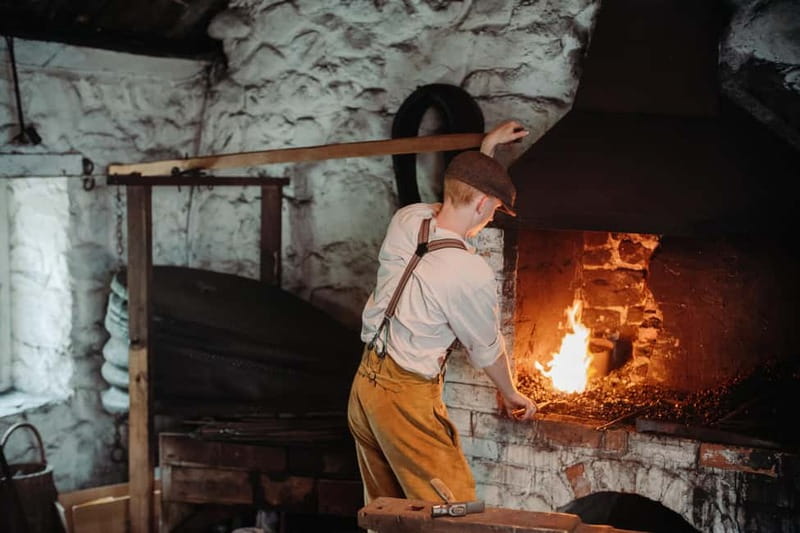
The craft demonstrations are the heart of the museum. They answer a question that historic buildings often leave hanging: how did people actually do things?
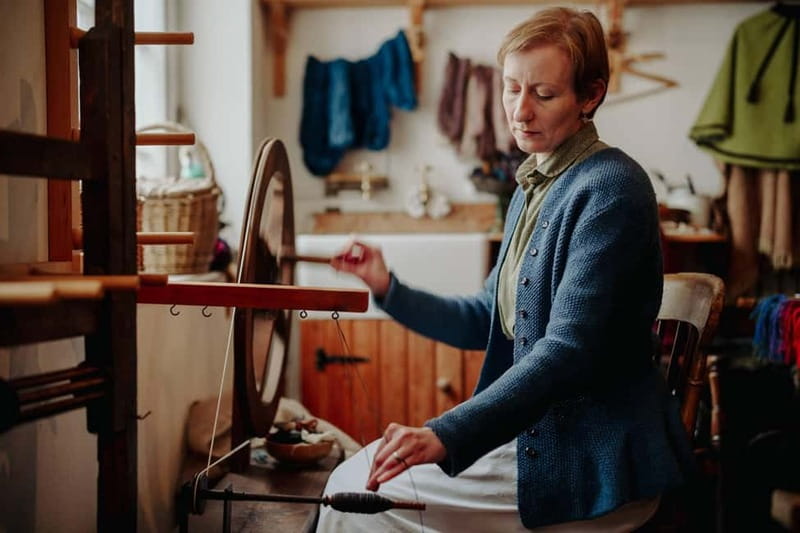
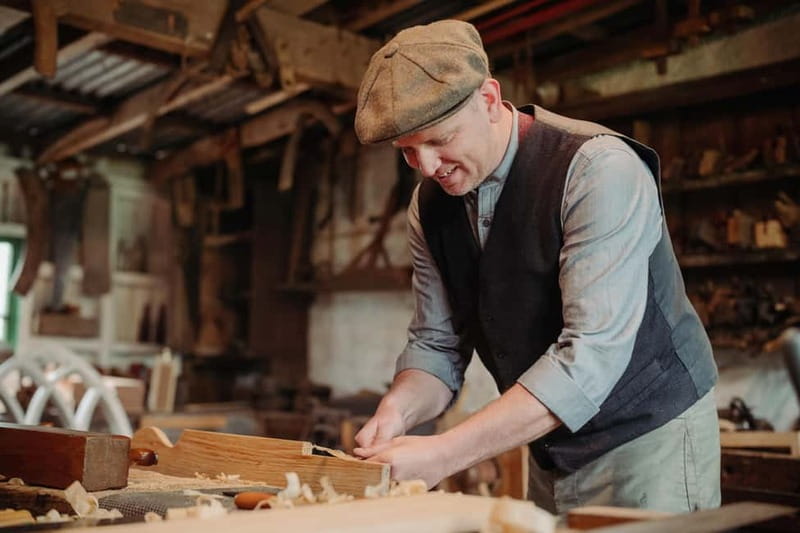
Weaving, blacksmithing, printing, basket making, carpentry, and bread baking each reveal a different kind of knowledge. Some are physically demanding. Others require patience and close control. Together, they show how ordinary life depended on people who could make, repair, grow, process, and sell useful goods.
Traditional wool weaving is a good example. Fabric is easy to take for granted when you see it in a modern shop. A working loom reminds you that clothing and household textiles once involved materials, equipment, time, and trained hands.
The forge gives you a stronger sense of work and heat. Heritage carpentry points to the construction and repair of buildings, furniture, carts, and tools. Basket making shows the practical side of local materials. Bread baking connects the museum’s history to something immediate and familiar.
Not every building will have an active demonstration at the exact moment you arrive. That is normal for a self-guided site with demonstrations running through the day. Check the map and ask the staff about what is happening, then plan to circle back rather than trying to see everything in one pass.
One important consideration: the museum is more rewarding when you are willing to pause. If you rush through each building for a quick photograph, the visit can feel like a long walk among old structures. Give the demonstrators time to explain their work, and the whole place becomes more engaging.
Other Belfast museums worth an hour:
- IRA Troubles Conflict Private Tour Museum Graves Murals and Political Analysis
★ 5.0 · 67 reviews - Titanic Museum and Whiskey Distillery Exploration with Tasting
★ 4.5 · 25 reviews - VIP Skip-the Line Titanic Museum and Whiskey Tasting Tour
★ 4.8 · 11 reviews - Belfast City Sightseeing Tour Including Titanic Museum | 6 Hours
★ 4.5 · 9 reviews
From town streets to rural Ulster
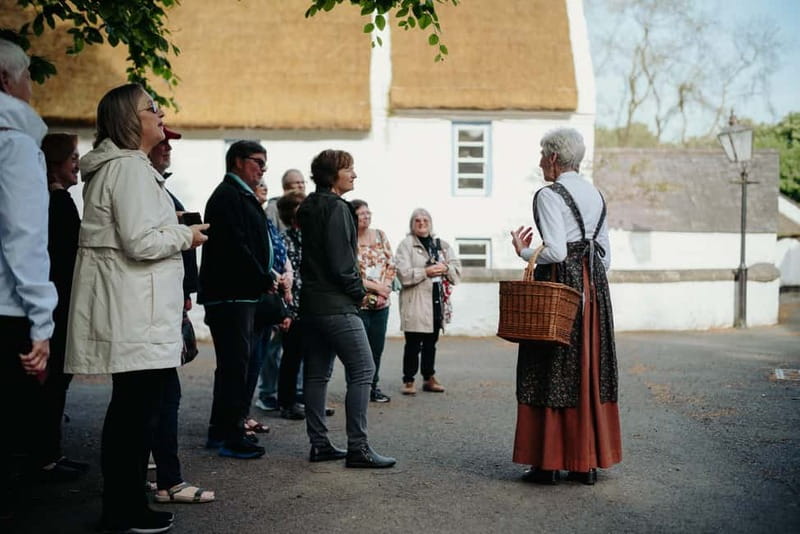
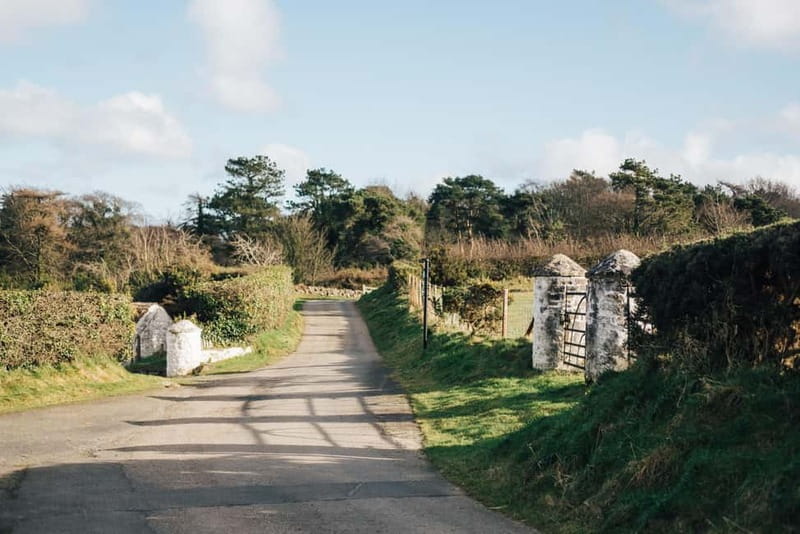
The rural section changes the mood. Ballycultra is organized and close together, while the countryside area spreads out among fields, lanes, farm buildings, and native dwellings.
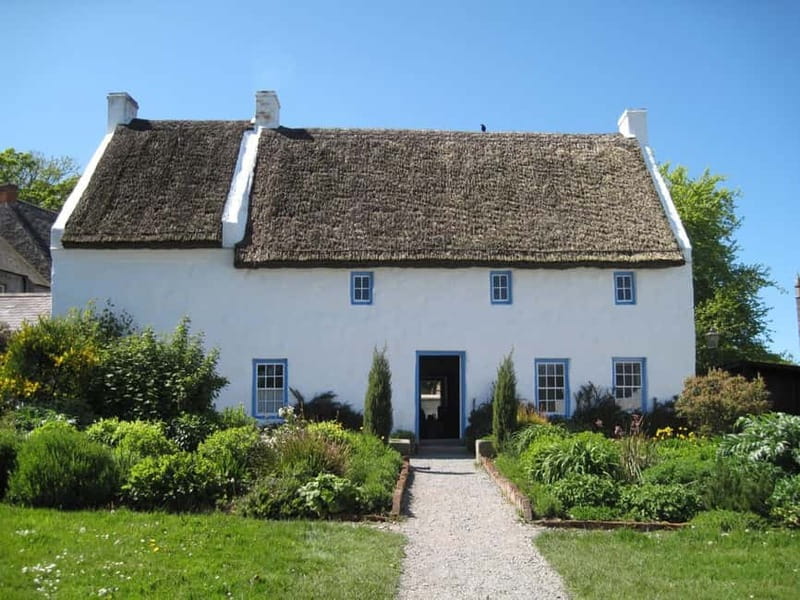
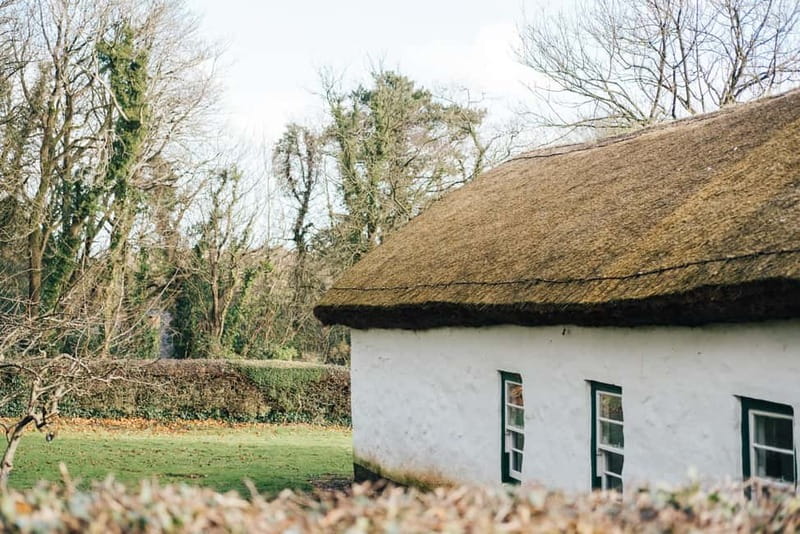
Whitewashed farmhouses and other rural homes show a different side of Ulster life. The buildings are not just pretty examples of country architecture. They help you compare town and farm life, where work, family, animals, storage, and food production were closely linked.
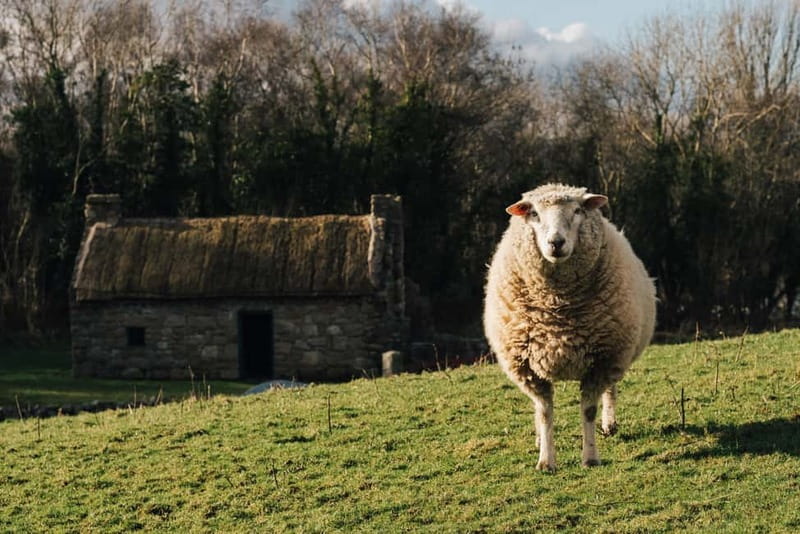
The working farm is a strong feature for families. Animals help younger children connect with the setting, while traditional farming methods show the effort behind food and rural survival. You are not looking at a distant account of farming. You are seeing a site that continues to use older approaches as part of the museum experience.
The countryside also gives you a chance to slow down. Fresh air and open fields make the visit feel less like a museum circuit and more like a walk through a historic community. The tradeoff is distance. You will do a fair amount of walking, and the ground is not uniformly smooth.
I would allow more time than you first expect. A hurried visit may cover the buildings but miss the contrast between the town and rural areas. With a full day available, you can explore the town in the morning, stop for lunch, then spend the afternoon with the farm and country buildings.
Food, breaks, and making a full day of it
You do not need to leave the museum when you want a break. Ballycultra Tearoom serves light food and refreshments, and picnic benches are available if you bring your own meal.
The tearoom is useful because the site is large and outdoor walking can work up an appetite. One visit included a stop there for refreshments with a variety of choices. Availability may change, but it gives you a practical pause without breaking the day into separate outings.
A picnic is a good option if you want flexibility or are visiting with children. You can eat when it suits your route instead of arranging the whole visit around a café stop.
McCusker’s Pub offers another kind of break, with drinks served in a period exhibit building. It is a pleasant way to add a social stop to the historical setting, though food and drinks are not included in the entry price.
Because there is no time limit on the day, you can use these breaks well. Take your time, sit down when needed, and return to a craft area if you missed a demonstration earlier.
Price, timing, and practical planning
At about $16 per person, the ticket offers good value if you use it as a full-day visit. You are paying for access to two large areas, daily demonstrations, the buildings, the farm, and the freedom to explore without joining a scheduled tour.
The value drops if you only have an hour or two. The museum’s size and outdoor layout mean that the experience works best when you have time to see both Ballycultra and the countryside. It is not a quick Belfast attraction that you can squeeze between two city-center stops.
The museum is on the outskirts of Belfast in the Ards and North Down area, and on-site car parking is included. The arrival point is straightforward: go to the ticket kiosk at the main museum car park.
The museum is closed on Mondays except for some Northern Ireland bank and public holidays. Check the official opening information before setting out, since hours can change.
Weather deserves real attention. Much of the visit is outside, so bring waterproof clothing if rain is possible and dress in layers when conditions are changeable. Comfortable footwear is essential for cobblestones, gravel, and extended walking.
The site is wheelchair accessible, but accessible does not mean every surface is smooth. Uneven ground may affect comfort and speed, so plan a relaxed route and ask staff for practical help if needed.
Who will enjoy Ulster Folk Museum most?
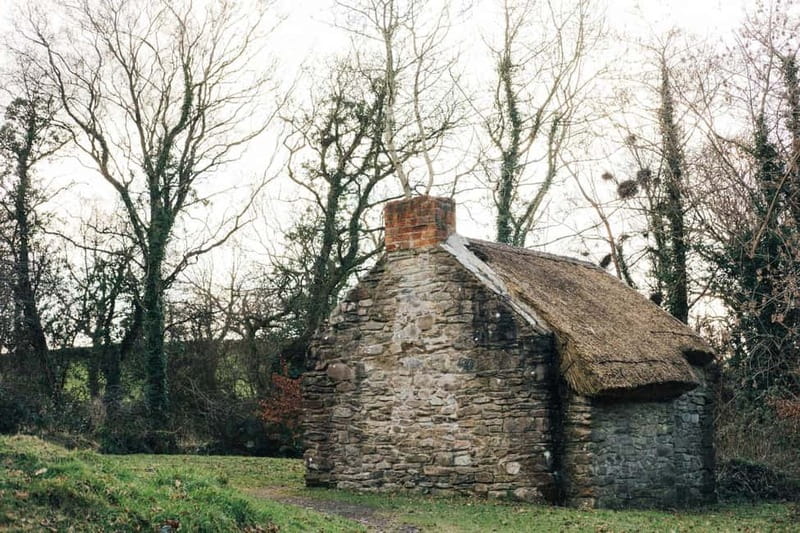
I would recommend this museum to families with school-age children, especially those who like hands-on places. One 10-year-old became so taken with the houses that she wanted to live in one, which says a lot about how successfully the buildings can capture a child’s imagination.
It also suits adults who enjoy architecture, domestic history, craft, farming, and local traditions. You do not need specialist knowledge. The museum works best when you are curious about ordinary life rather than looking only for famous people or major events.
It may be less satisfying if you want every exhibit to have a staff member present. The most interesting areas are usually those with a demonstrator or interpreter available, while quieter buildings can feel more self-explanatory. Clearer signs would also make navigation easier, particularly on a first visit.
The museum is a good choice in mixed weather if you prepare properly. On a dry day, the open setting is a major advantage. On a wet day, the same distance between buildings becomes the main challenge.
Should you book the Ulster Folk Museum?
Book it if you want a relaxed, hands-on day that shows how Ulster life worked at home, in shops, at the forge, and on the farm. The strongest reasons to go are the original buildings, the active craft demonstrations, the town and rural sections, and the freedom to set your own pace.
I would skip it only if your schedule is too tight for a half-day or more, or if poor weather would make outdoor walking uncomfortable. For around $16, with parking, a map, and access for the whole day, it is a solid-value outing near Belfast. Bring good shoes, check the opening day, and give the craftspeople time to show you what they do.
FAQ
Where is the Ulster Folk Museum?
The museum is located in the Ards and North Down area of the United Kingdom, on the outskirts of Belfast.
How long is the ticket valid?
The ticket is valid for one day, and there is no time limit on your visit during that day.
What does the entry ticket include?
It includes entry to the Ulster Folk Museum, access to both the Town and Rural areas, on-site car parking, a complimentary visitor map, and daily demonstrations by makers and costumed guides.
Is this a guided tour?
No. The ticket provides a self-guided visit. Guided tours are not included.
Is the museum open every day?
The museum is closed on Mondays, except for some Northern Ireland bank and public holidays. Check the official museum website for current opening hours.
Is the Ulster Folk Museum wheelchair accessible?
Yes, the museum is wheelchair accessible. Some areas have cobblestones, gravel, and other uneven surfaces, so visitors should take the outdoor conditions into account.
Can I eat at the museum?
Yes. Ballycultra Tearoom serves light food and refreshments, picnic benches are available, and McCusker’s Pub is a fully licensed pub. Food and drinks are not included with the entry ticket.
Newest reviews from Belfast
- VIP Skip-the Line Titanic Museum and Whiskey Tasting Tour★ 4.8 · 11 reviews
- Private Half Day Winter Magic in the Antrim Glens★ 5.0 · 2 reviews
- Giants Causeway Private Tour★ 5.0 · 3 reviews
- Titanic Eastside Bike Tour★ 5.0 · 9 reviews
- The Single Cask Whiskey Experience★ 5.0 · 6 reviews
- This is Belfast Walking Tours. Our history, our culture.★ 5.0 · 7 reviews
- St Patrick’s Centre & Burial Site + Hillsborough Castle & Gardens★ 5.0 · 2 reviews
- Small Group Giant’s Causeway Day Tour from Belfast★ 5.0 · 11 reviews
Museums, compared.

IRA Troubles Conflict Private Tour Museum Graves Murals and Political Analysis
Read our review →
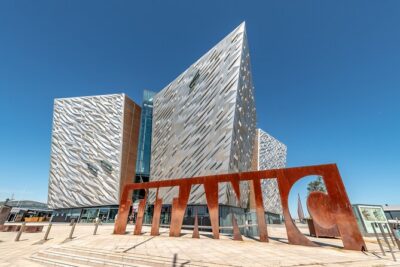
Titanic Museum and Whiskey Distillery Exploration with Tasting
Read our review →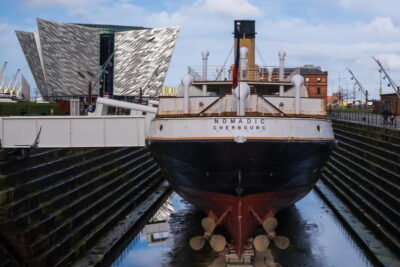
VIP Skip-the Line Titanic Museum and Whiskey Tasting Tour
Read our review →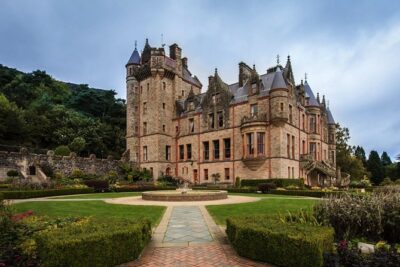
Belfast City Sightseeing Tour Including Titanic Museum | 6 Hours
Read our review →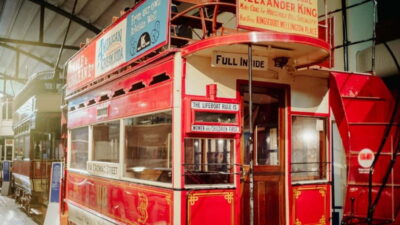
Browse the lists this tour appears in